EN
<
>
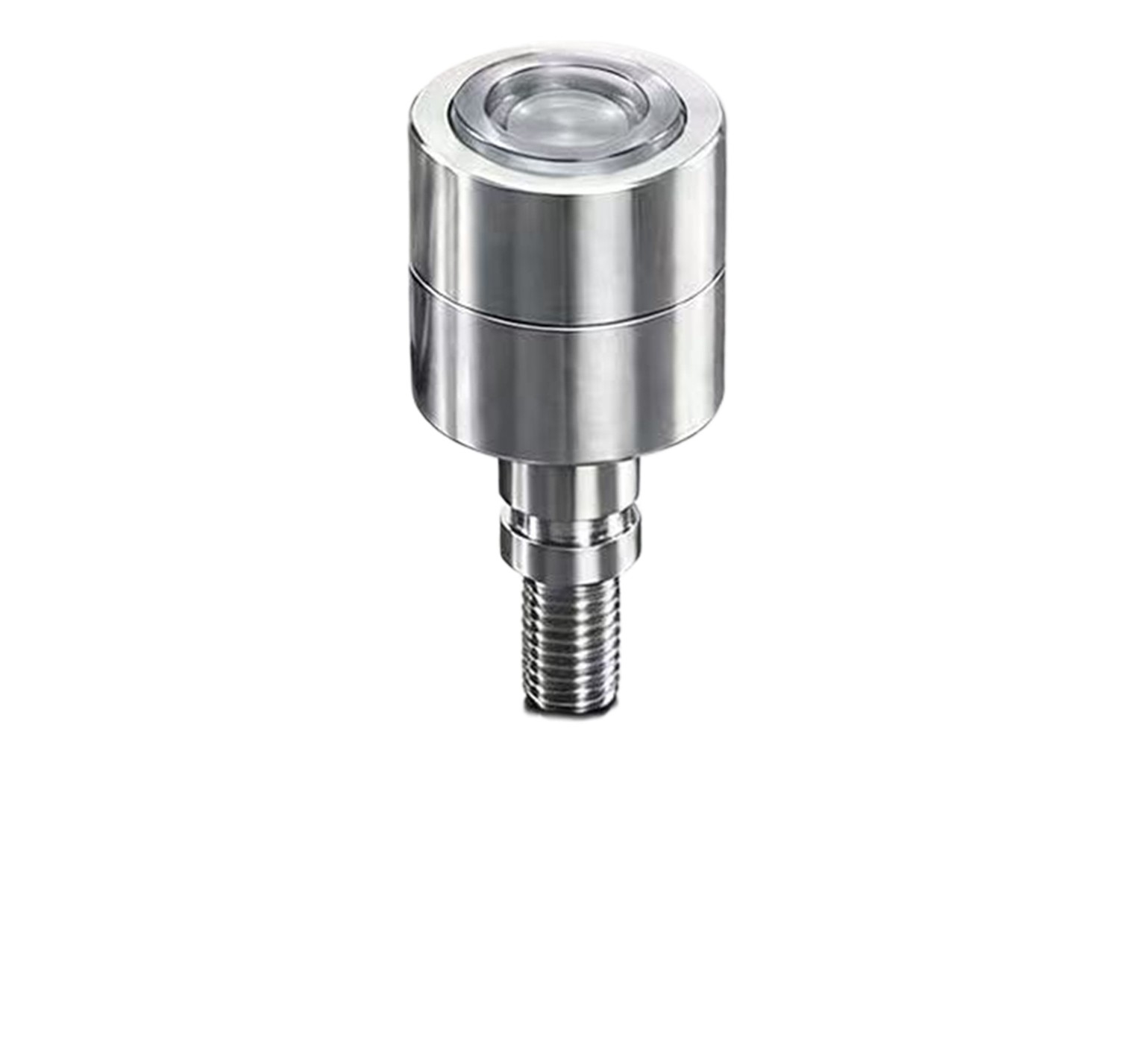
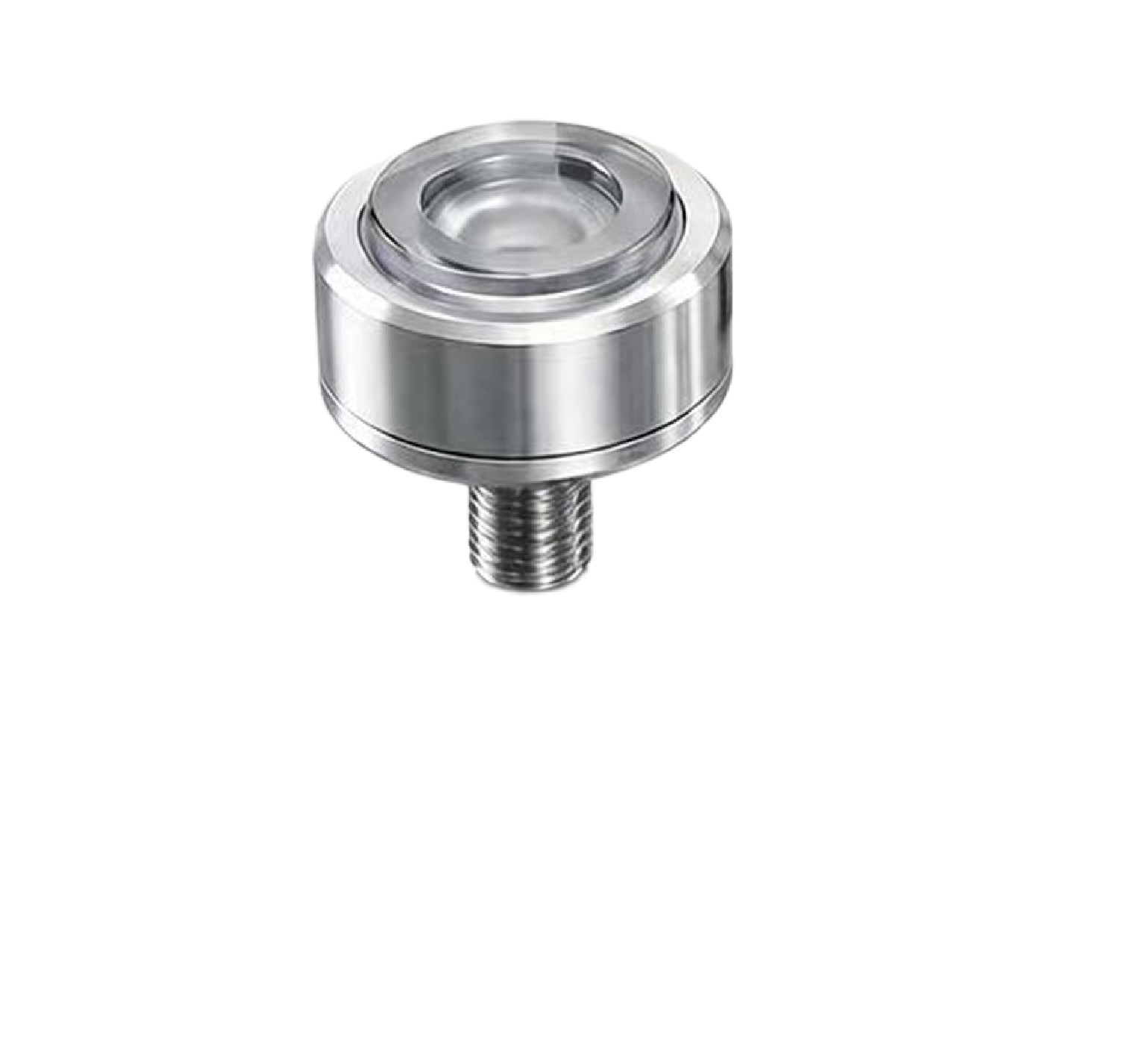
This product is designed for repeated fixation and handling of smooth, fragile materials (glass, display panels, wafers, etc.) under high-vacuum, high-temperature and other environments across the general semiconductor industry. It resolves core technical challenges: surface scratching from mechanical clamping, residual adhesive left by chemical tapes, and operational limitations of conventional vacuum chucks. Based on van der Waals force adhesion principles, a full series of bio-inspired adhesive pads have been developed. The bionic microstructured surface design inhibits interfacial crack propagation and improves adhesion stability, while reserving interfaces for sheet separation methods such as tangential rotation and air blow-off.
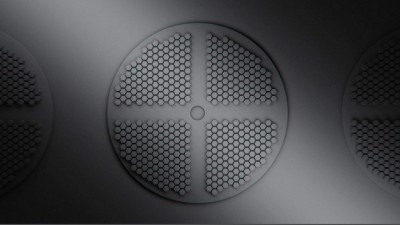
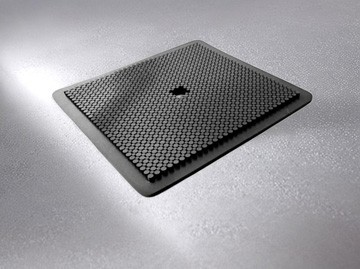
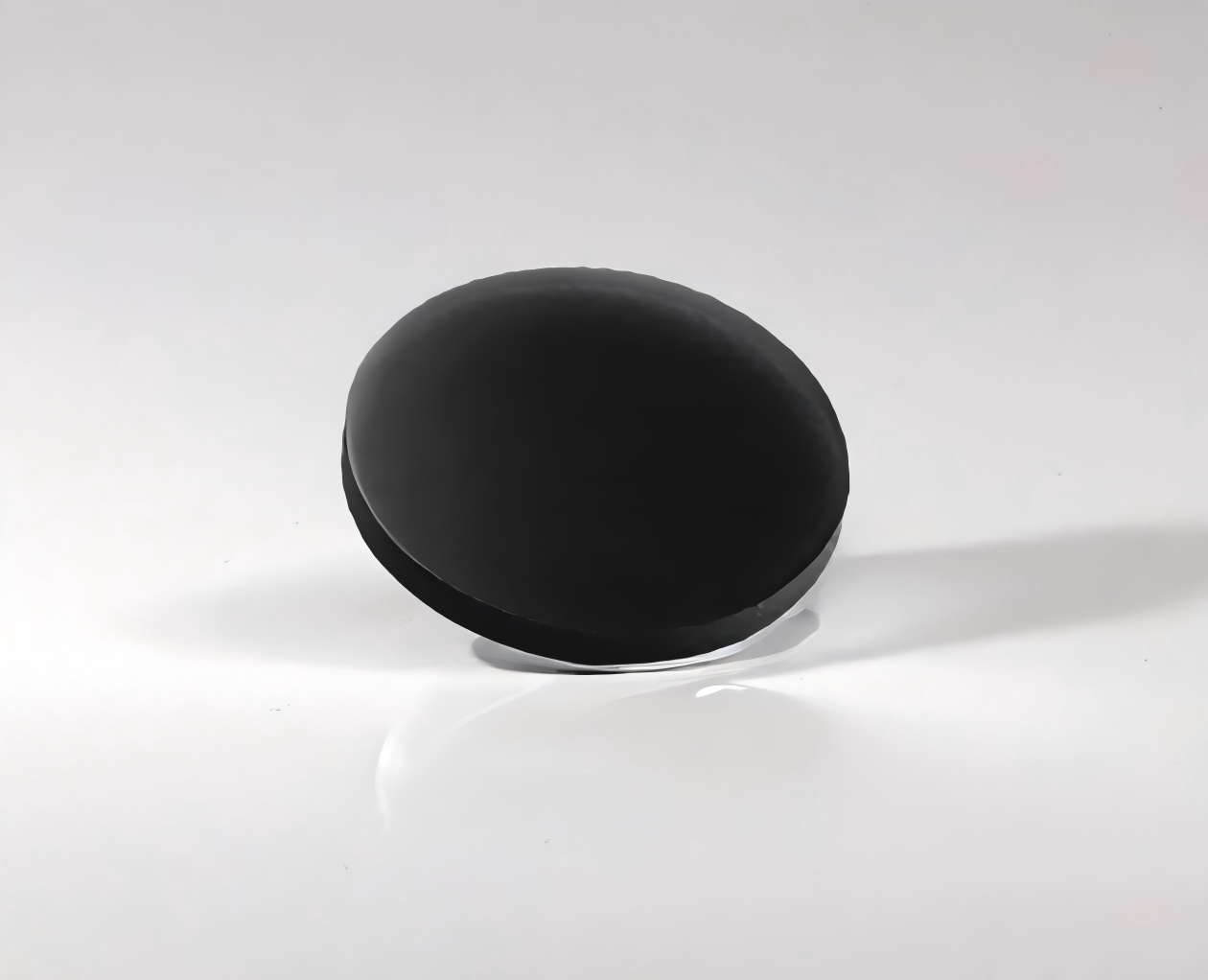
For handling smooth glass products. Features: stable adhesion, no residual marking, applicable under vacuum and high-temperature environments.
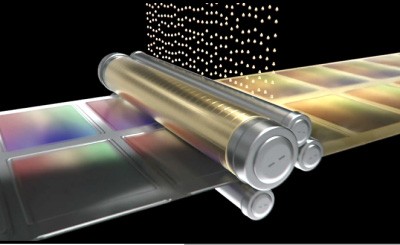
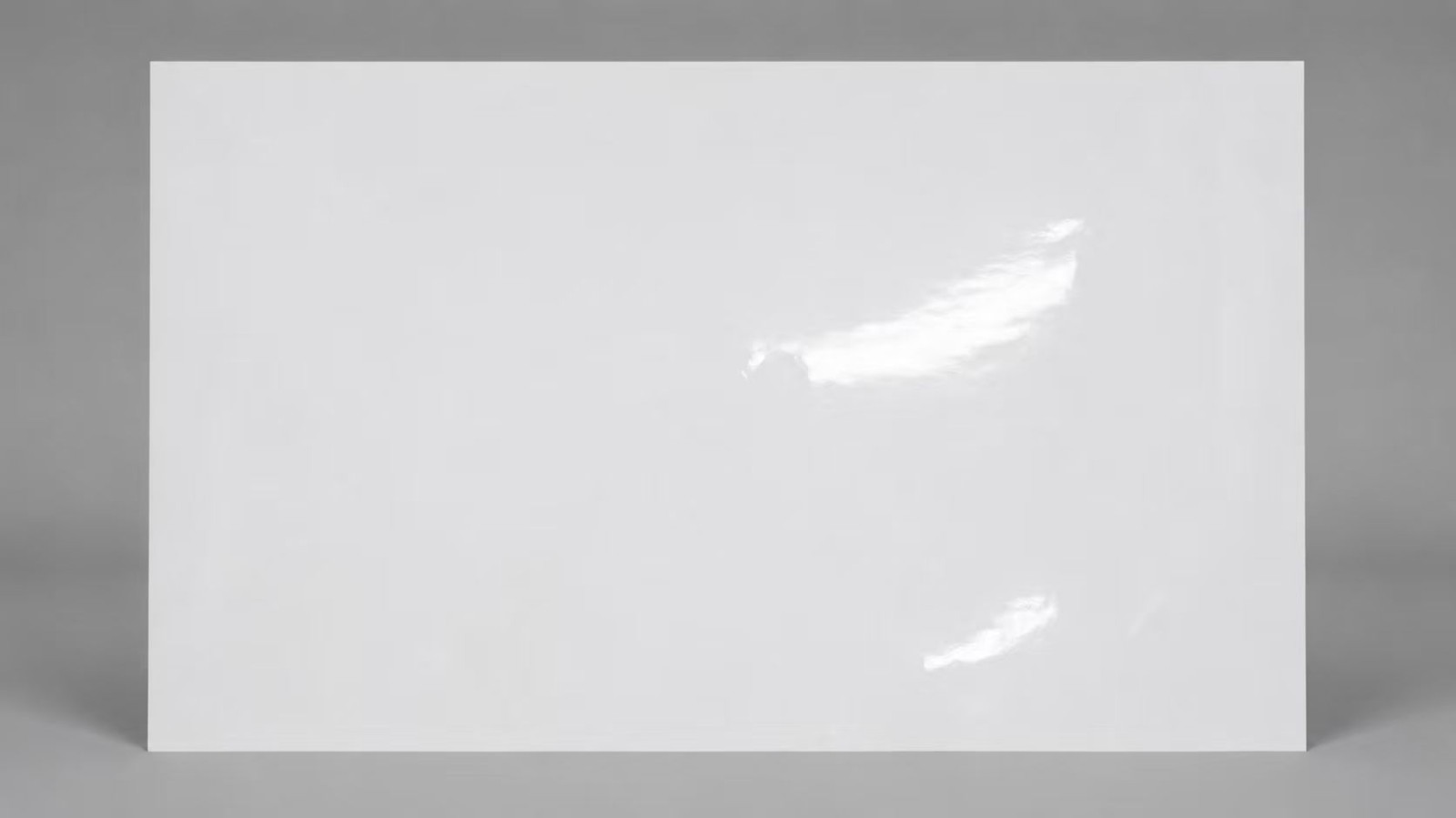
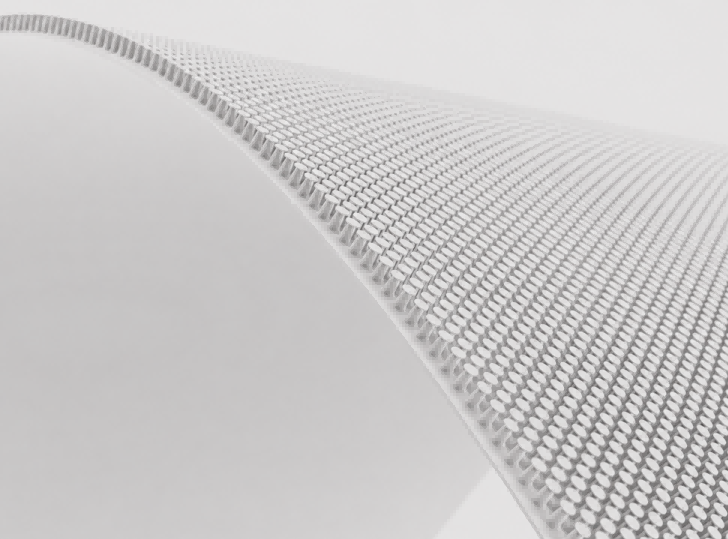
We manufacture flexible printing plates specially designed for alignment film printing on liquid crystal panels. microscopic halftone dots (halftone dots) are formed on the plate surface to keep ink distribution uniform, enabling premium thin-film printing performance. It is mainly applied for printing alignment films (PI films) on STN, C-STN and TFT-grade LCD products. It is capable of producing PI films that are thinner, more uniform, and with higher dimensional accuracy. It is the optimal processing tool for alignment film printing in the LCD industry to date.
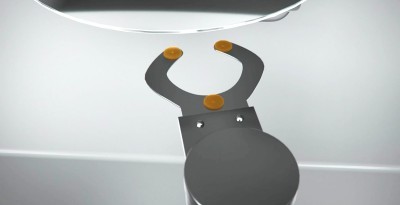
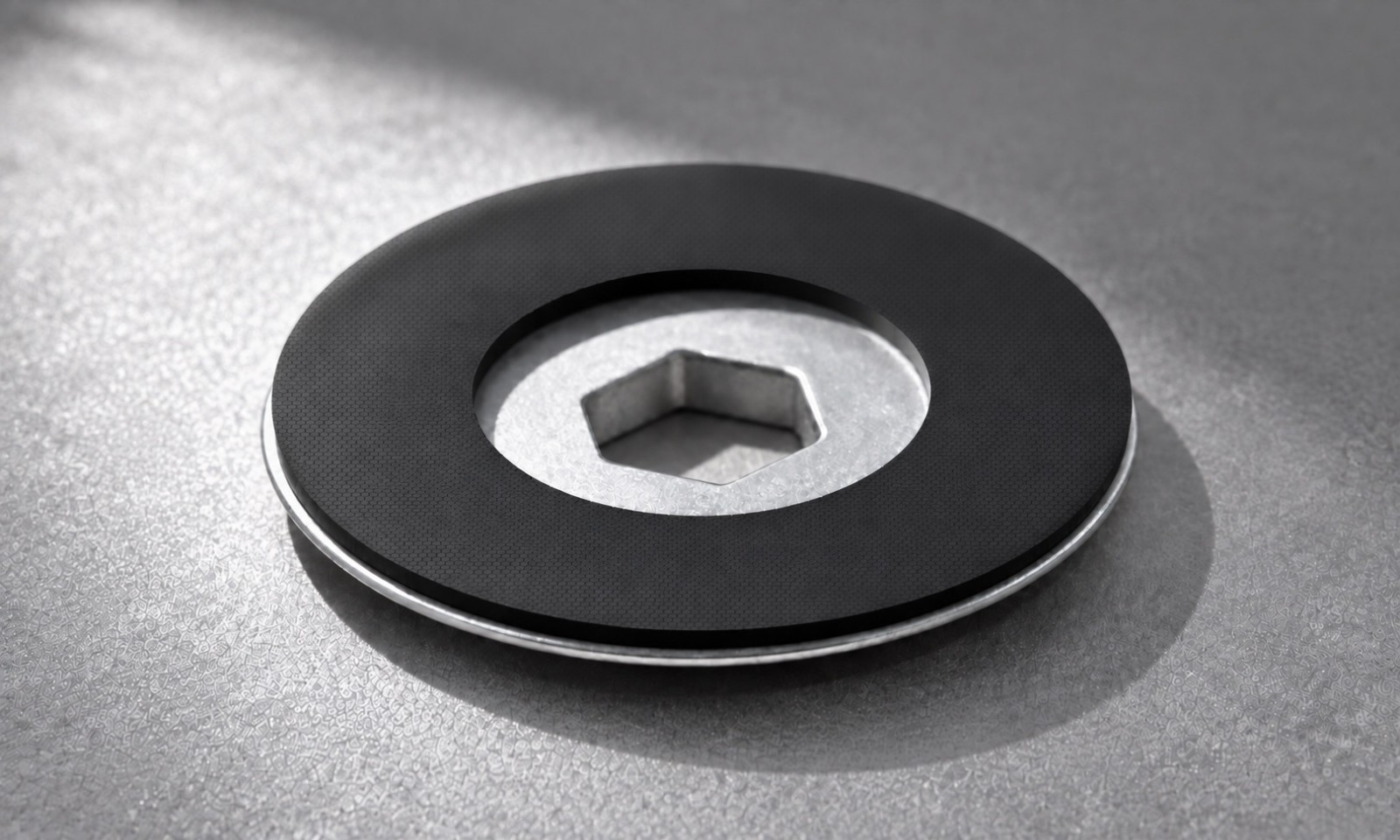
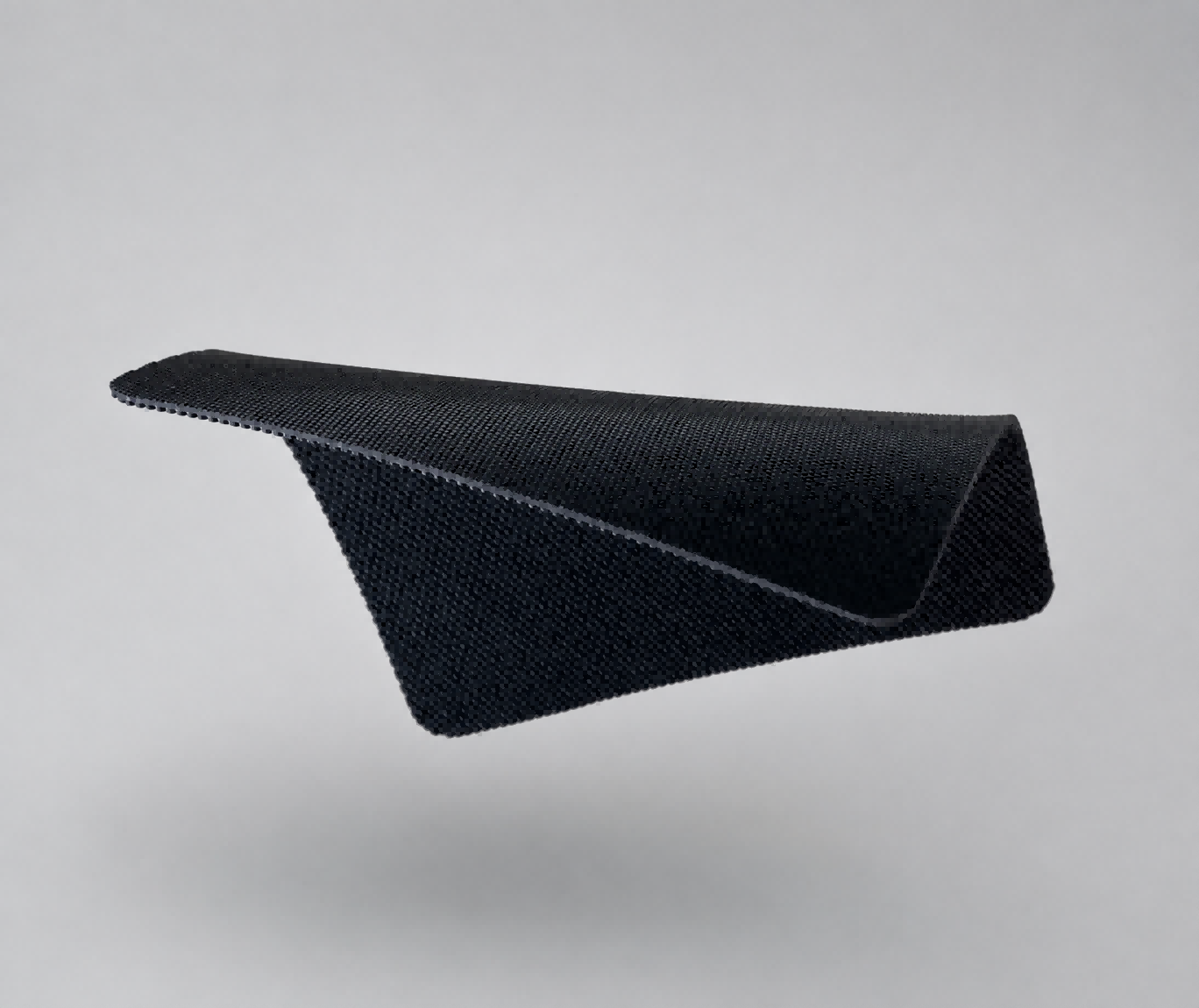
The FFKM friction pad is designed for anti-slip wafer transport by semiconductor robotic hands under special processes. Featuring a special structural design, it delivers high tangential friction force and low normal adhesion force to improve the speed, efficiency and stability of wafer handling. It is especially suitable for highly corrosive equipment including PVD/CVD thin-film systems, etching equipment and wet processing equipment.
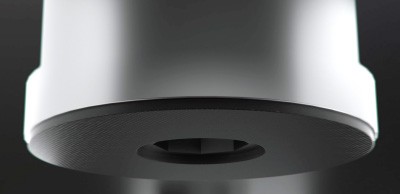
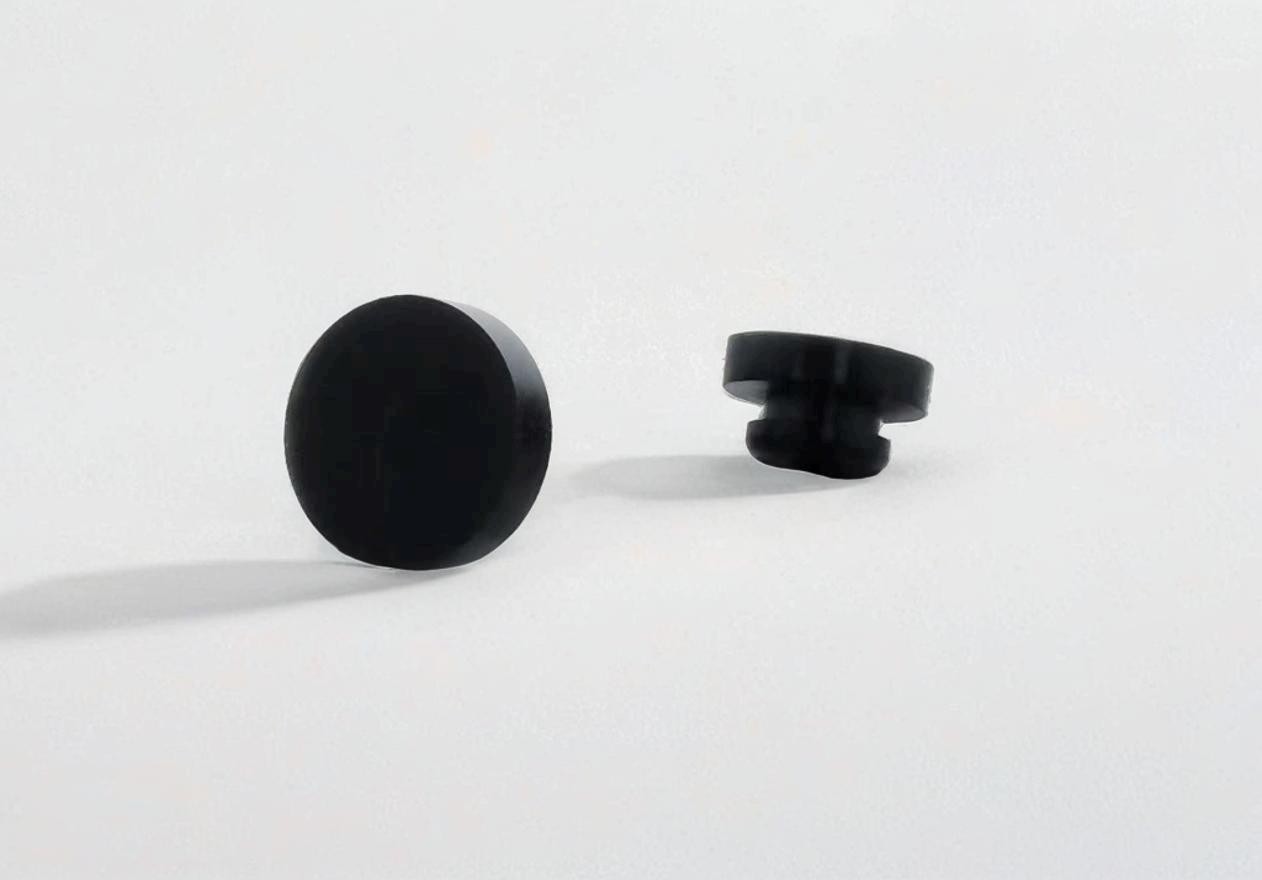
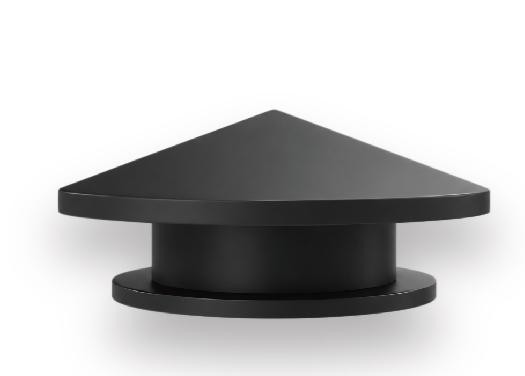
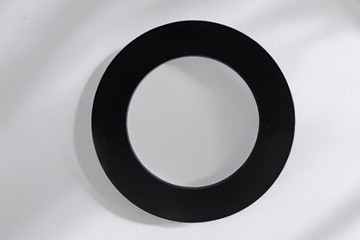
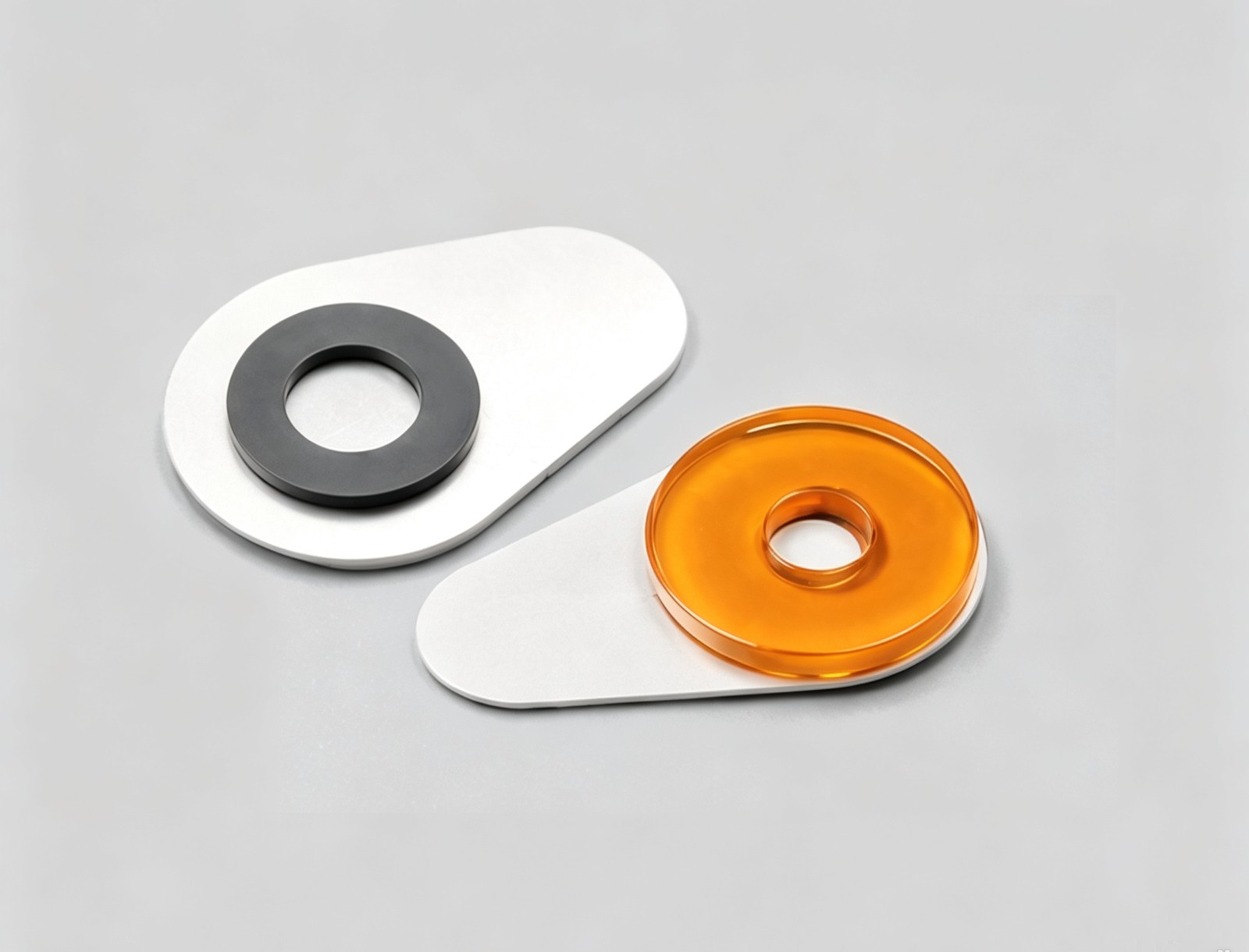
It is used for handling and fixing smooth, fragile surfaces under medium-high vacuum and high-temperature environments in the general semiconductor industry. Designed with an annular structure, it supports automated production and enables separation via central pillar ejection.
It is applied inside rollable screens to increase friction of flexible supports and ensure stable conveyance of flexible displays.
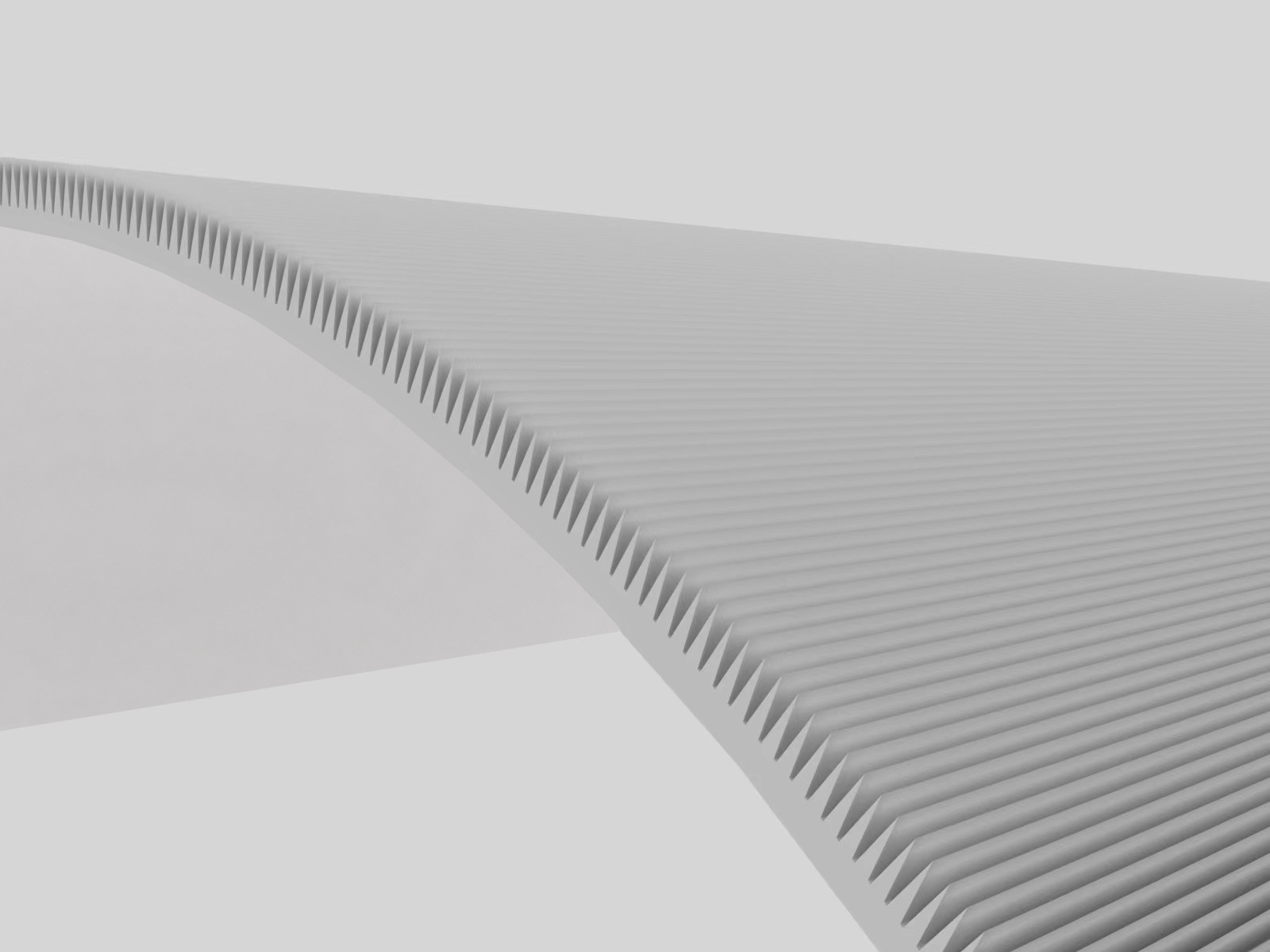
It is used for handling and fixing smooth, fragile surfaces under medium-high vacuum and high-temperature environments in the general semiconductor industry. The double-sided micro-pillar array adhesive pad can completely replace double-sided tape, enabling chuck cleaning in the process. It features adjustable adhesion force, and can be designed with different adhesion strengths on each side, allowing the adhesive pad to be selectively retained on one side.
Developed based on the principle of intermolecular van der Waals forces, the tape surface features an array of microscale tip-expanded microstructures, enabling biomimetic gecko adhesion on smooth solid surfaces. The tip-expanded biomimetic adhesive structure exhibits interfacial interfacial mechanical characteristics of low preload, strong adhesion, easy detachment and reusability. Its adhesive interface is barely affected by environmental factors including air pressure, liquid media, high & low temperatures and irradiation, delivering a biomimetic solution for stable adhesion at solid interfaces.
This product is applied for clamping and fixing bottle bodies on automated production lines. Its curved profile fits perfectly against bottle surfaces, while the microstructured design enhances friction force. Made of wear-resistant silicone, it features long service life, protects bottle surfaces, and improves production yield rate.
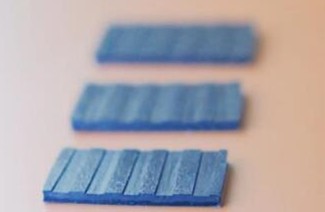
These pads are used for rotational separation of bottle caps from bottle bodies on automated production lines, delivering high friction for mechanical grippers. Designed with a strip-shaped rubber structure tailored to cap textures, they efficiently unscrew caps without scratching or damaging cap surfaces. The unique granular protrusions on the contact surface reduce adhesive force of the rubber pad, enabling the bottle cap to detach quickly from the gripper after unscrewing.
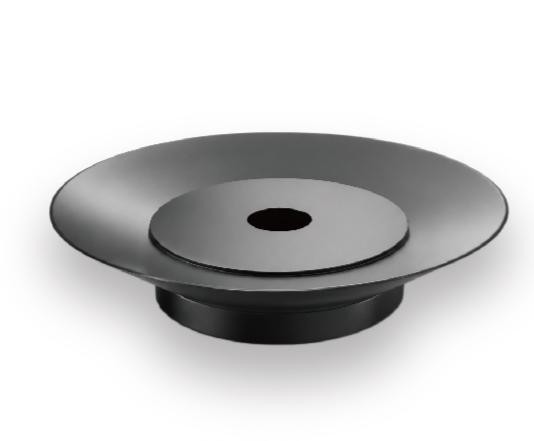
Based on the negative pressure adsorption principle, the wafer handling vacuum suction cup evacuates air in the adsorption zone via a vacuum pump to form stable negative pressure between the suction cup and the wafer, achieving reliable fixation of wafers. The product features excellent sealing performance to sustain stable adsorption force. Meanwhile, it exhibits properties including low self-adhesion, low outgassing and mark-free contact, ensuring stable handling and smooth release of wafers, and reducing surface damage and contamination.Compatible with automated equipment such as robotic arms and wafer end effectors, it enables high-efficiency wafer handling and unmanned operation.
The product features a functional surface with designed biomimetic microstructures to satisfy anti-slip and friction-enhancement requirements at water-containing interfaces.
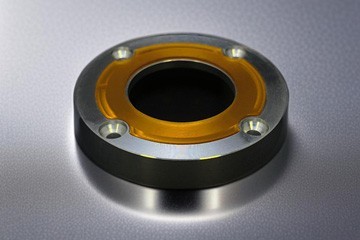
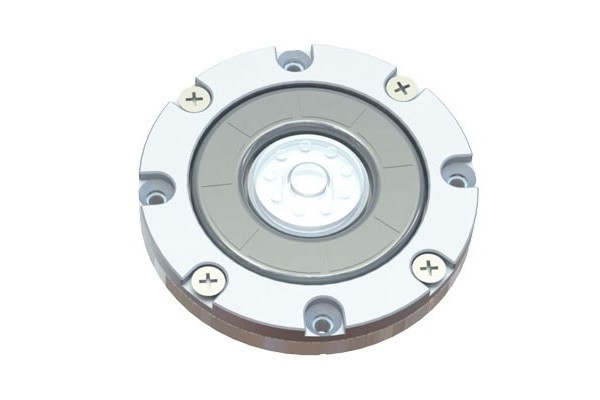
The vacuum physical suction cup is a core component designed for ODF vacuum bonding equipment for large-size wafers and glass substrates. It enables high-precision bonding (≤ 0.2 μm) of glass substrates under high-vacuum environments (< 0.3 Pa). It adopts pneumatic release and features a high degree of automation.
PSC physical suction cup is the core component of ODF vacuum bonding equipment for large-sized wafers and glass substrates. It can ensure high-precision (≤ 0.2 μ m) bonding of glass substrates in high vacuum (<0.3Pa) environments.
This physical suction cup is a core component for ODF vacuum bonding equipment for large-size wafers and glass substrates. It realizes high-precision bonding (≤ 0.2 μm) of glass substrates under high-vacuum environments (< 0.3 Pa).
This bionic friction pad is designed for wafer fixing and transportation under medium-to-high vacuum, ambient and high-temperature environments. It delivers high tangential friction force and ultra-low normal adhesion force.